VWAP Isn’t a Line
It’s a Fair-Value Model

Most retail traders treat VWAP like another moving average: price above = bullish, below = bearish. That’s why they get chopped. VWAP isn’t a “signal.” It’s a live estimate of where the session’s average participant is positioned, and it tells you whether the market is in price discovery or reverting to value.
Profound idea: VWAP is a regime boundary between auction back to fair value and acceptance away from fair value.
When price stretches far from VWAP, two things can happen: (1) it snaps back because the auction is still balanced, or (2) it holds away from VWAP because participation has shifted and a new value area is forming. The mistake is trading every “touch” or every “cross” the same way. The professional lens is distance + behavior: how far are we from VWAP, and is the tape telling us the market is accepting that distance or rejecting it?
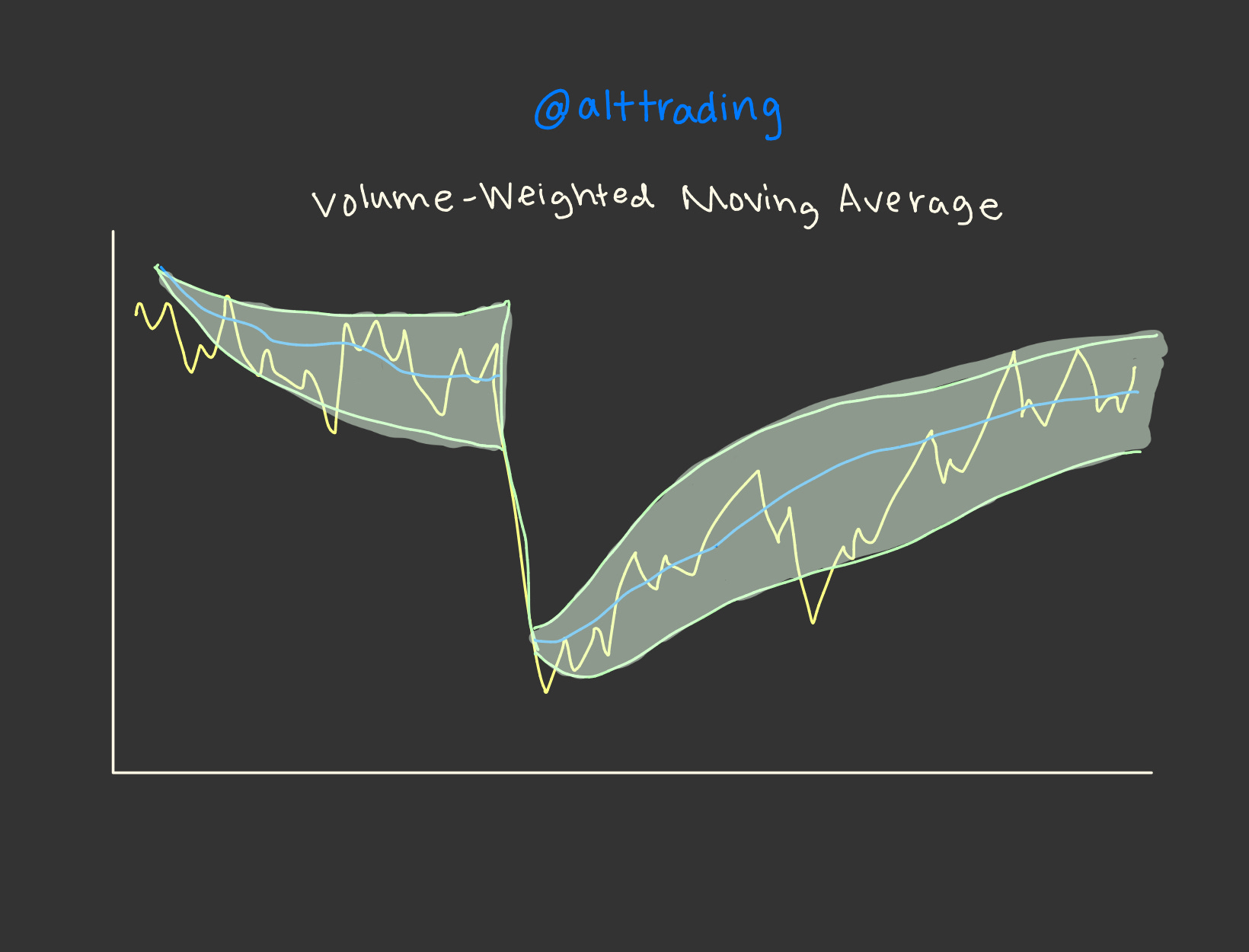
Here’s a cleaner decision model: if VWAP is flat and price keeps revisiting it, stop forcing breakouts, you’re in a mean-reversion auction where fading extremes and taking quick profits often dominates. If VWAP is sloping and pullbacks fail to reclaim it, stop fading highs/lows, you’re in price discovery where continuation trades make more sense. The edge isn’t “VWAP says buy.” The edge is “VWAP tells me what type of day I’m in, so I stop using the wrong playbook.”
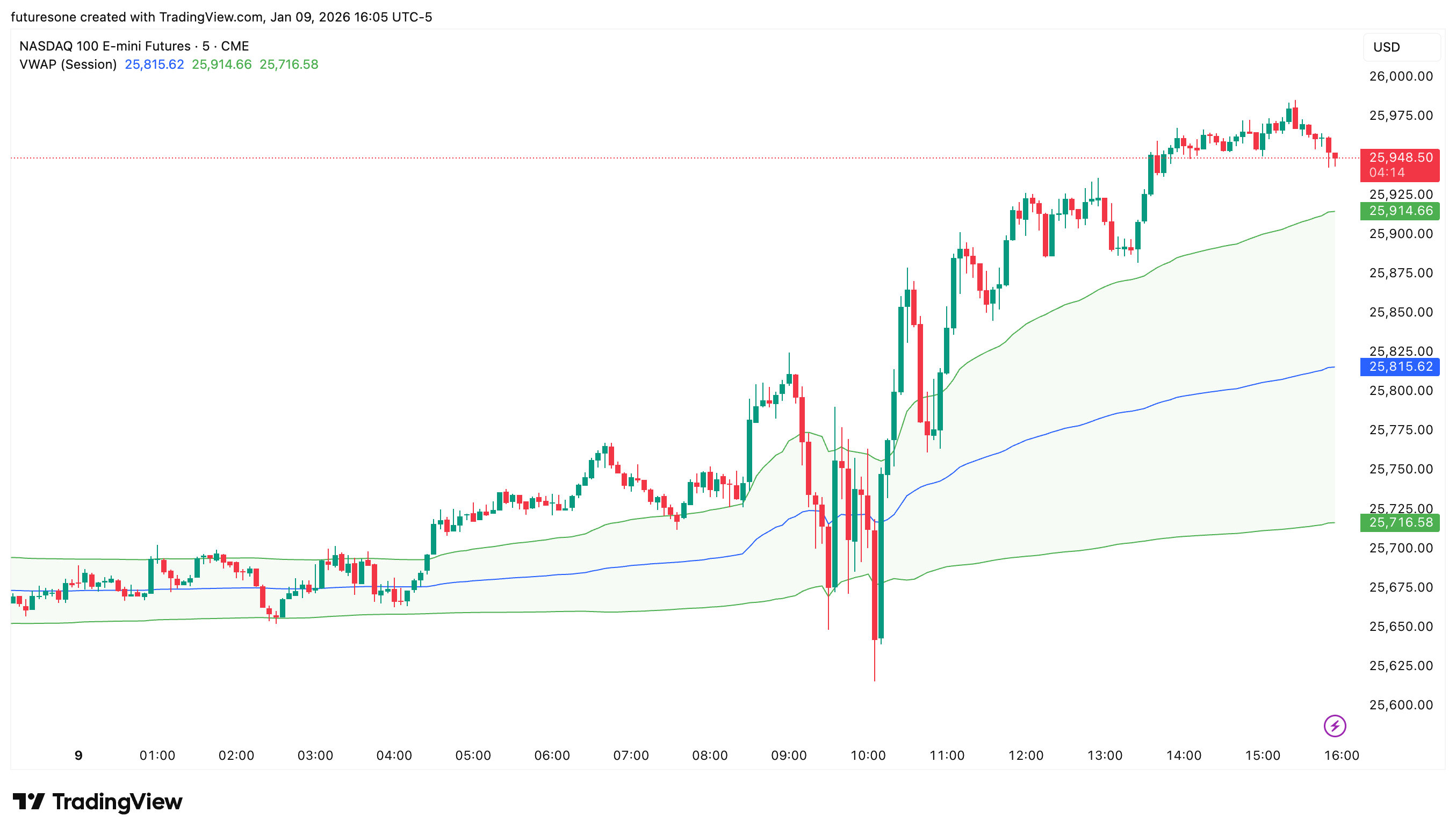
If you want to improve immediately, journal one metric this week: your entries’ distance from VWAP at execution (close, medium, far). You’ll often find your worst trades come from buying far above VWAP on balanced days or shorting far below VWAP on trend days. Markets don’t punish you for being wrong, they punish you for being wrong in the wrong environment.
What’s your VWAP style: fade-to-value, trend-with-VWAP, or “I ignore it”?